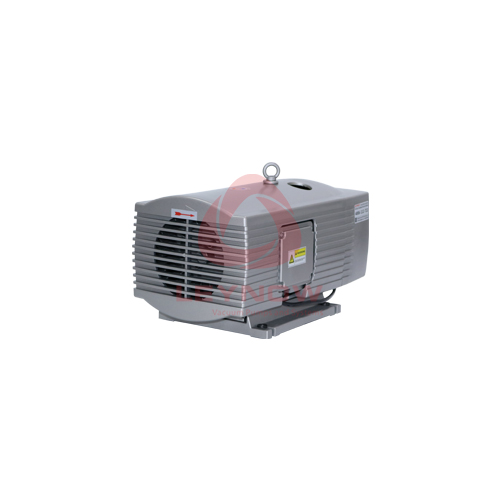
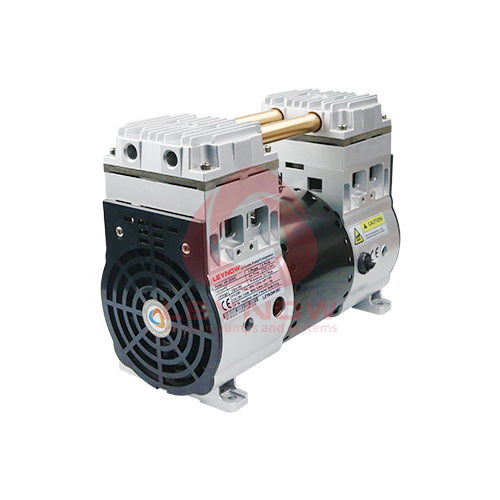
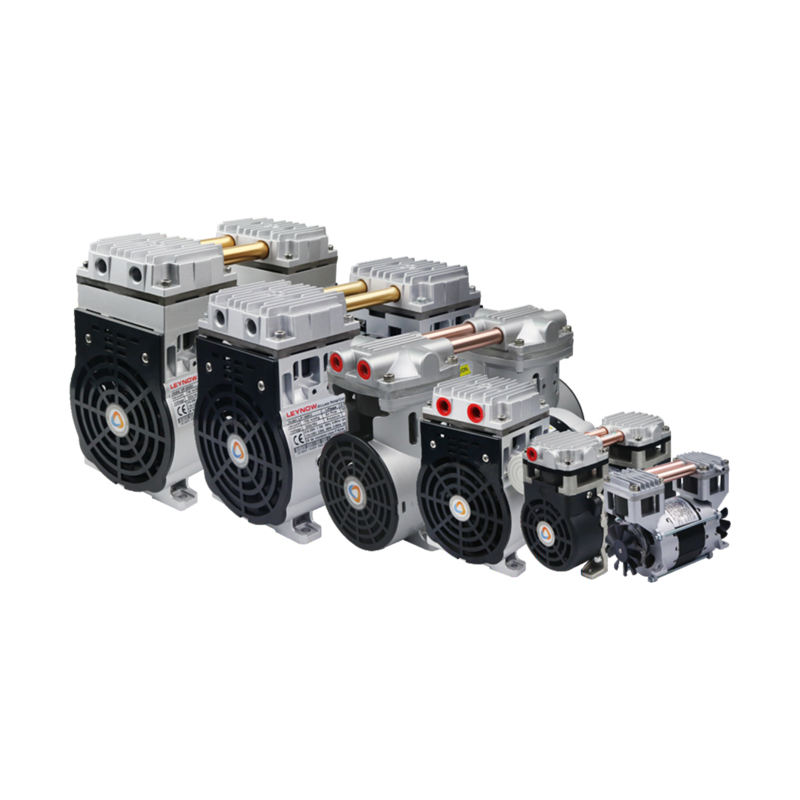
Oil-free Vacuum Pumps: Green, Efficient and Setting a New Industrial Trend
In today's fast-developing industrial sector, mechanical Vacuum Pumps are important auxiliary equipment whose performance and environmental characteristics are increasingly valued. Oil-free vacuum pumps, with the unique advantage of running efficiently without lubricating oil, are gradually becoming the preferred choice in many industrial fields. This article explores the working principle, application range, advantages and disadvantages and operating methods of oil-free vacuum pumps, and introduces Leno Vacuum Systems' innovative practice in this field.
Working principle: technology-driven, precise and efficient
Oil-free vacuum pumps work on several principles, mainly volume change, mechanical rotation speed and cryogenic trapping. Volume-change Oil-Free Pumps create periodic volume changes through moving mechanical parts, drawing air in as volume increases and discharging it as volume decreases. This principle requires extremely small clearances and very high precision between parts to ensure efficient, stable evacuation. The mechanical rotation type relies on extremely high rotational speed to strike air molecules directionally and carry them away, achieving vacuum. The cryogenic trapping type uses cold surfaces close to absolute zero to freeze and trap almost all air molecules, reaching a vacuum state.
Application range: broad coverage supporting industrial upgrading
With their unique advantages, oil-free vacuum pumps are widely used in many fields. On automatic packaging lines they open bags by vacuum, pull them apart and fill them, improving efficiency. On printing machinery, vacuum paper feeding relies on precise control by oil-free vacuum pumps. They are also widely used in liquid filling, vacuum thermoforming of plastics, air-tightness testing, label application, photoengraving, gas analysis, pharmaceutical machinery, container leak testing, Food Processing and hospital operating theatres.
Innovative application by Leno vacuum systems
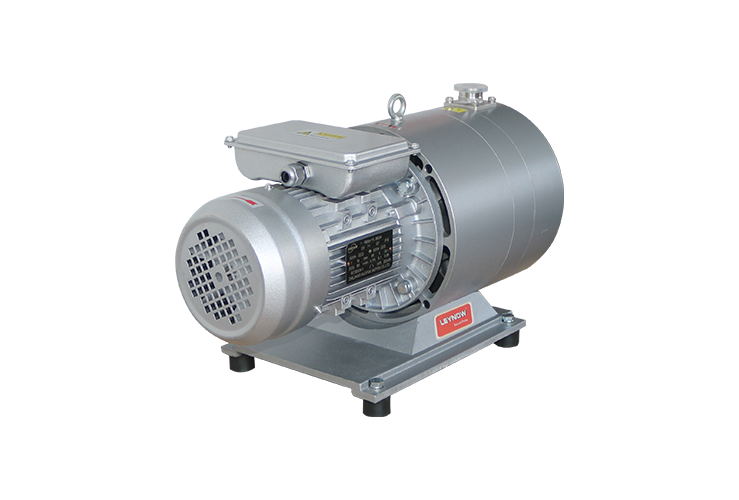
In oil-free vacuum pump applications, Leno vacuum systems has won wide market recognition with outstanding performance and innovative solutions. Leno uses advanced oil-free technology that not only guarantees the purity of the evacuation process but also reduces safety risks during use. On pharmaceutical machinery automatic lines, Leno systems achieve efficient, stable drug packaging through precise control. On food processing machinery, they effectively prevent lubricating oil from contaminating food, ensuring safety and hygiene. Optimised structural design also reduces noise and vibration, providing users with a more comfortable working environment.
Advantages and disadvantages: a complete picture for rational choice
The advantages of oil-free vacuum pumps are obvious. They are pollution-free, ensuring process or experimental purity; highly safe, avoiding fire and explosion from oil leakage or ignition; simple to maintain, reducing downtime and repair time and improving efficiency; stable in operation, made with wear-resistant materials and strong corrosion resistance, adapting to various environments and gases; and energy-saving and environmentally friendly, needing no energy to drive a lubrication system.
However, oil-free vacuum pumps also have limitations. They generate higher temperatures during operation and require external Cooling, otherwise service life may suffer. Their pumping capacity is relatively low and cannot meet applications requiring very high vacuum. Compared with conventional lubricated vacuum pumps they are more expensive, increasing investment cost. Vibration and airflow during operation also produce noise that may disturb noise-sensitive environments.
Operating method: standard procedures for safety
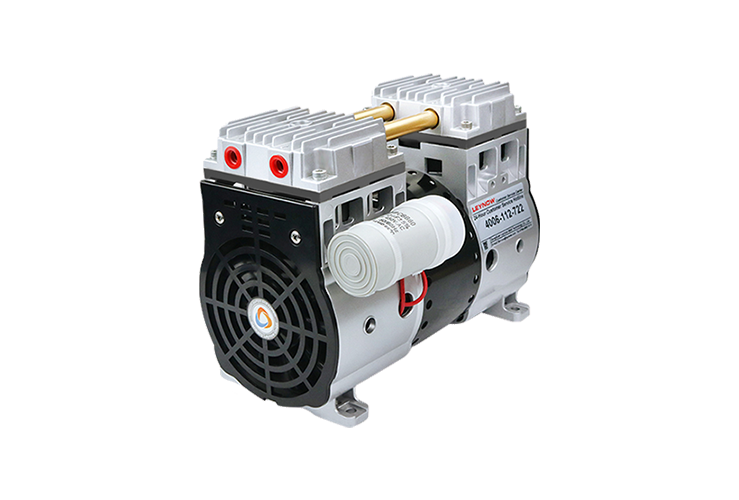
Operating an oil-free vacuum pump requires following standard procedures. First, carry out a full inspection, including whether the pump body and impeller are intact and whether the power plug and switch are normal. For pumps with filters, check that the filter is clean and not blocked. Second, connect the pump correctly to the vacuum system, ensuring joints are well sealed and no air leaks. Check all connecting pipes, valves and gaskets for tight, leak-free connections. Then connect the power supply and confirm the pump is energised and in normal working condition. Next, press the power switch to start the unit. For pumps with a control panel, follow the operating manual to switch on related systems such as cooling in sequence. If the pump has adjustable parameters such as Vacuum Level and pumping time, set the required values on the interface. Finally, open the valve connected to the pump slowly and begin evacuation.
Conclusion: green leadership for a shared future
With advantages including no pollution, high safety, simple Maintenance, stable operation and energy efficiency, oil-free vacuum pumps are gradually becoming the preferred choice in industry. As a leader in this field, Leno vacuum systems provides efficient and stable vacuum service to many industries with outstanding performance and innovative solutions. In future, as technology develops, oil-free vacuum pumps will improve further and be applied more widely. We look forward to more excellent enterprises like Leno continuing to innovate and leading industry towards a greener, more efficient and more intelligent direction.