AI large-model training and supercomputing scenarios keep pushing single-cabinet power requirements to the limit, and 200 kW per cabinet immersion liquid Cooling, with its ultimate cooling efficiency, has become the mainstream technology direction of the future. The solution uses fluorinated fluid or mineral oil immersion cooling with a centralised cooling architecture and PUE as low as 1.05, making it the preferred choice for ultra-high density computing centres. As the core mandatory configuration of the system, Dongguan Leno provides a complete domestic Vacuum solution: a dry screw plus Roots Vacuum System and liquid ring and dry rotary vane degassing pumps form a four-pump redundant architecture that precisely delivers the four key functions of immersion tank negative pressure Maintenance, coolant degassing, automatic replenishment and system Leak Testing, providing safe, efficient and low-cost underlying support for supercomputing and intelligent computing centres.
Faced with the cooling pressure of AI Training clusters demanding hundreds of kilowatts, conventional air cooling and ordinary liquid cooling can no longer cope. 200 kW Immersion Liquid Cooling immerses the entire server cabinet in insulating coolant so that heat is transferred directly without temperature difference losses, and together with a centralised heat exchange station and circulation pump group it achieves ultimate cooling efficiency. System PUE is only 1.05, close to the theoretical limit, sharply reducing energy costs and meeting national green computing requirements. The complete domestic solution costs 800,000 to 1,200,000 yuan per cabinet and offers fast deployment, long-term stability and easy maintenance, becoming the standard configuration for a new generation of intelligent computing centres and supercomputing parks.
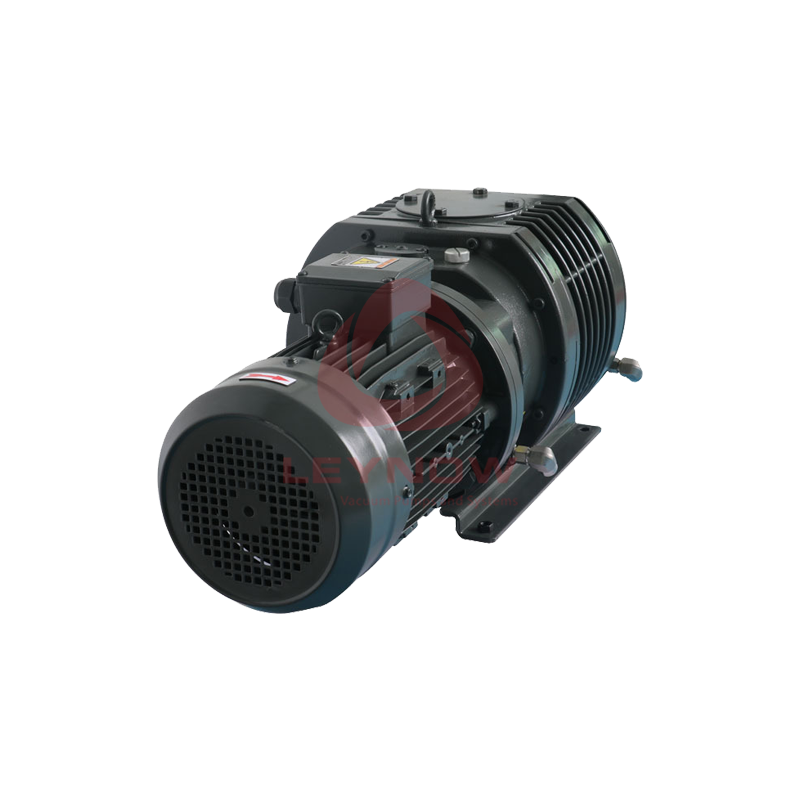
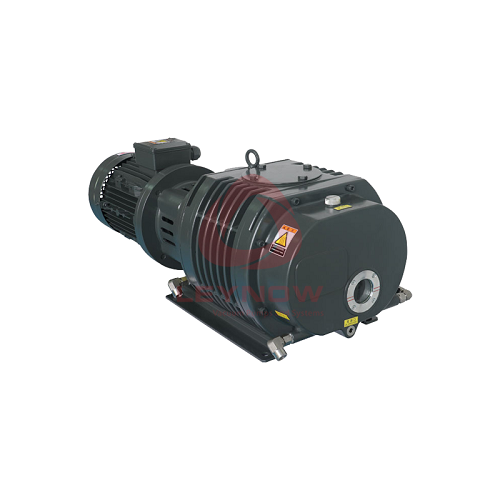
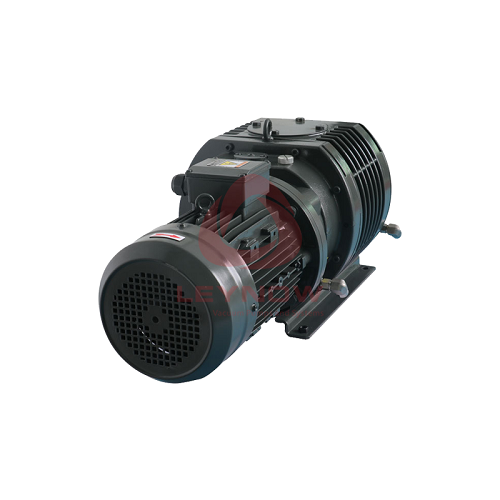
Stable negative pressure and medium degassing are key to reliable immersion system operation. Leno customises the main vacuum system for 200 kW high-load scenarios using a dry screw pump plus Roots pump combination with pumping speeds from 300 to 1200 m3/h, quickly establishing and stably maintaining an ultra-high vacuum of -0.095 to -0.099 MPa. The dry oil-free construction avoids coolant contamination and adapts to media such as fluorinated fluids and mineral oils; at 80,000 to 150,000 yuan per set, cost-effectiveness is clearly better than imported equipment.
The degassing and replenishment unit also uses Leno customised configuration, consisting of a liquid ring pump and a dry rotary vane pump responsible for deep coolant degassing, system replenishment and pipe pressure holding leak testing, effectively preventing air locks, heat exchange degradation and leakage risks. The system uses four pumps in a one duty, one standby plus two degassing configuration, achieving full-chain redundancy and ensuring 7x24 uninterrupted operation, eliminating computing frequency reduction or shutdown caused by vacuum faults.
In terms of industry value, 200 kW immersion liquid cooling not only breaks the ceiling of computing density but also drives data centres towards dual-carbon goals with ultra-low PUE. As a local Vacuum Technology enterprise, Dongguan Leno deeply adapts mature, reliable and fully domestic pump systems to ultra-high density liquid cooling scenarios, solving core pain points of system negative pressure, degassing and leak testing, greatly improving system stability and safety while reducing construction and maintenance costs.
As demand for high-end computing in AI training, supercomputing, quantum simulation and industrial simulation continues to surge, immersion liquid cooling will become the mainstream trend. With customised vacuum solutions, a complete supply chain and fast service response, Dongguan Leno is becoming an important supporting force for China's ultra-high density liquid cooling computing centres, helping the country's intelligent computing infrastructure move towards higher density, higher efficiency and greater self-reliance.