Computing power consumption for AI large-model training and high-performance supercomputing clusters keeps climbing, with single-cabinet heat loads above one hundred kilowatts now the norm. Immersion liquid Cooling, with its ultimate heat dissipation capability, is regarded as the mainstream long-term direction for computing centres. Standardised 200 kW per cabinet Immersion Liquid Cooling is now mature, using fluorinated fluid or mineral oil immersion with a centralised cooling architecture and PUE as low as 1.05, close to the efficiency limit, with stable operation highly dependent on Vacuum System support. Dongguan Leno offers a targeted package of domestic Vacuum equipment: a dry screw plus Roots main vacuum system and liquid ring plus rotary vane degassing pumps, in a four-pump architecture of one duty, one standby and two degassing pumps, covering the full process of immersion tank negative pressure Maintenance, deep coolant degassing, medium replenishment and pipe leak testing, balancing ultra-high density cooling safety, long-term energy efficiency and domestic cost advantages, and creating a standardised ultra-high power cooling solution for AI Training and supercomputing centres.
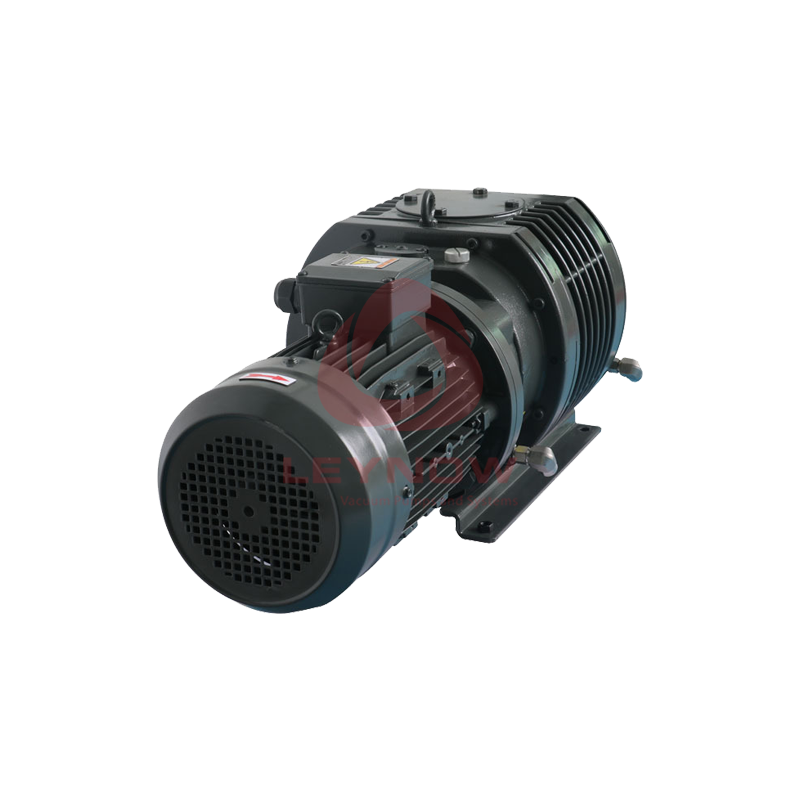
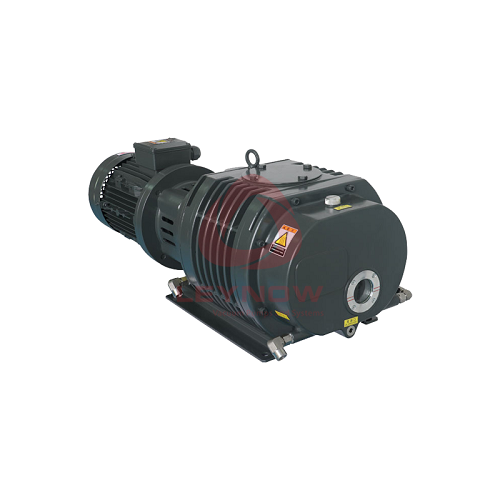
As training of large models, weather simulation and industrial supercomputing stack ever more computing density, 30 kW and 80 kW cabinets can no longer meet the full-load requirements of multi-GPU clusters, and 200 kW single cabinets have become the standard cooling specification for high-end intelligent computing and supercomputing. This standardised solution uses a full immersion liquid cooling architecture in which server hardware is entirely immersed in fluorinated fluid or mineral oil insulating coolant, with immersion tanks, a centralised heat exchange station and circulation pumps forming a complete cooling chain; heat is conducted directly through the medium to the external heat exchange system, maximising cooling efficiency and fully resolving the problem of high-density chips overheating and reducing frequency. The whole solution is delivered with domestic hardware at a construction budget of 800,000 to 1,200,000 yuan per cabinet, covering equipment procurement, piping works and vacuum system Installation and Commissioning, suitable for centralised batch deployment in new supercomputing parks and large AI training bases. Thanks to the efficient heat exchange of immersion cooling, room PUE is held stable at 1.05 all year, compressing cooling energy consumption to an extremely low level and fully meeting the national hard requirements for dual-carbon control and strict PUE limits on computing infrastructure. The whole immersion system operates under negative pressure, and negative pressure stability directly determines whether coolant leaks or air locks occur. Leno's full range of dry Vacuum Pumps is developed specifically for immersion liquid cooling duties: the oil-free dry construction prevents lubricating oil from mixing into the coolant and clogging piping or degrading the medium, adapts to special media such as fluorinated fluids and mineral oils, and provides underlying vacuum assurance for stable operation of 200 kW ultra-high density cabinets.
1. Standardised vacuum hardware: Leno multi-pump groups with divided responsibilities
The complete immersion liquid cooling vacuum system consists of two modules, the main vacuum system and the degassing and replenishment pumps, all using Leno domestic vacuum pumps. The configuration is one duty, one standby plus two degassing pumps, four units in total working in layers to achieve fault redundancy and functional separation.
The main vacuum system is a Leno dry screw pump in series with a Roots pump. The screw pump has a pumping speed of 300 to 500 m3/h with a 15 to 22 kW motor; the matching Roots pump has a pumping speed of 800 to 1200 m3/h with an 11 to 15 kW motor. The combined pumps raise pipe vacuum quickly and lock a high-precision negative pressure range of -0.095 to -0.099 MPa. This system handles overall negative pressure maintenance in the immersion tank and negative pressure circulation in the piping. The duty-plus-standby redundant design guarantees 7x24 uninterrupted operation, with the standby pump starting seamlessly if the duty pump fails, without stopping or overheating. The domestic price of this main vacuum system is 80,000 to 150,000 yuan, far below imported systems, with faster local supply and maintenance response.
The degassing and replenishment unit uses two Leno customised pumps in a liquid ring plus dry rotary vane combination. The liquid ring pump has a pumping speed of 50 to 100 m3/h with a 4 to 7.5 kW motor and costs 12,000 to 20,000 yuan each; the dry rotary vane pump assists with fine degassing and maintenance leak testing. The two degassing pumps share the work of deep coolant degassing, removing dissolved air from fluorinated fluid and mineral oil to prevent bubbles from degrading heat exchange efficiency and causing air locks in piping; they also handle system fluid replenishment and full-pipe nitrogen holding pressure leak testing, identifying hidden leakage risks in advance. All Leno pump bodies use corrosion-resistant chambers suited to long-term contact with insulating coolant, and the dry construction avoids oil contamination, meeting the hard cleanliness standards of liquid cooling operation.
2. Overall value of the solution for high-end computing scenarios
First, computing density breaks through the ceiling. The 200 kW single-cabinet capacity suits very large AI training clusters and HPC supercomputers, and full-contact immersion cooling keeps multi-GPU servers at constant temperature under full load, delivering stable computing output without loss.
Second, energy efficiency leads the industry. PUE as low as 1.05 sharply reduces long-term electricity costs, helping computing parks easily meet energy-saving assessments.
Third, the negative pressure safety system is complete. Relying on stable pressure control from Leno vacuum pumps, piping runs under negative pressure without leakage or spraying, and routine vacuum leak testing greatly reduces the risk of hardware short circuits.
Fourth, the entire hardware package is domestically sourced and self-controlled. Dongguan's local vacuum pump supply chain delivers reliably, spare parts are interchangeable, batch construction costs are controllable, and there is no exposure to overseas equipment delivery cycles.
3. Industry deployment prospects
The industry widely recognises immersion liquid cooling as the ultimate route for future ultra-high density computing cooling, with 200 kW cabinets meeting long-term computing expansion needs. Drawing on local vacuum equipment R&D and manufacturing capability, Dongguan Leno has completed standardisation of an ultra-high power immersion liquid cooling vacuum system, connecting the full chain of negative pressure, degassing, leak testing and redundancy, allowing high-end AI training and supercomputing rooms to balance ultra-high power, ultra-low energy consumption, high safety and domestic supply. As national supercomputing hubs and large-model intelligent computing centres continue to be built, this immersion liquid cooling solution with Leno vacuum pumps will become the mainstream choice for high-end computing infrastructure, supporting the long-term high-quality development of China's high-density computing.